While the ceremonial optics of a state visit dominate the broadcasts, the true geopolitical weight of South Korean President Lee Jae-myung's trip to New Delhi lies in the fine print.
Behind closed doors at Hyderabad House today, Prime Minister Narendra Modi and President Lee are systematically working through a highly ambitious, multi-billion-dollar framework designed to insulate both economies from ongoing global shocks.
Here is the detailed, official 5-point agenda driving the India-South Korea bilateral summit:
1. The CEPA Upgrade & $50 Billion Trade Target
The primary economic agenda is unlocking the stalled Comprehensive Economic Partnership Agreement (CEPA).
- The Goal: The two leaders are officially kickstarting accelerated negotiations to upgrade the pact, which has been lagging due to India's concerns over its widening trade deficit with Seoul.
- The Target: Both sides have committed to a strict timeline to double their bilateral trade volume, aggressively aiming to hit the $50 billion mark by 2030.
2. Semiconductor & AI Corridors
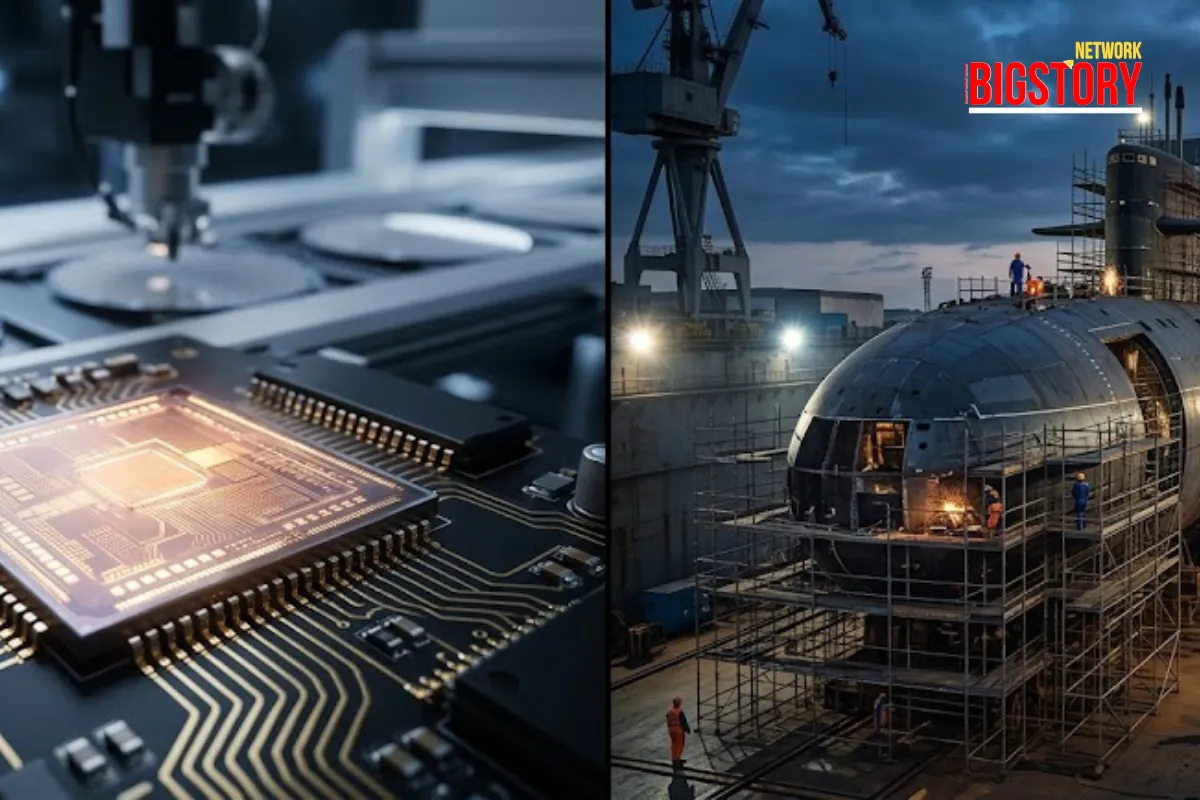
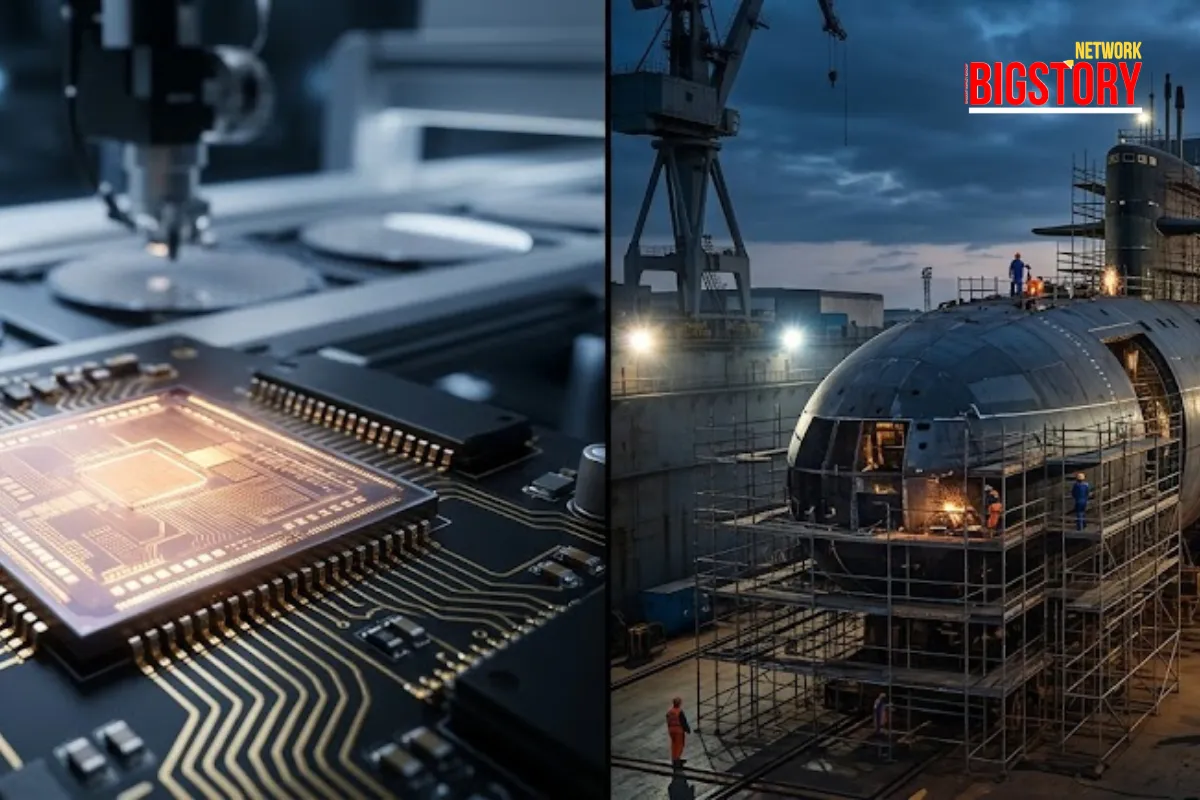
With South Korea actively looking for "China+1" alternatives, India is aggressively courting chipmakers to anchor its domestic tech revolution.
- The Pitch: The agenda includes high-level discussions on integrating South Korean tech giants—specifically heavyweights like Samsung and SK Hynix—deeper into India's semiconductor manufacturing ecosystem.
- Future Tech: They are formally establishing a joint working group dedicated to the co-development of Artificial Intelligence (AI), quantum computing, and next-generation 6G telecom networks.
3. Defense Tech & "Make In India" Military Hardware
Defense ties have become a massive cornerstone of this summit, moving the relationship beyond simple buyer-seller dynamics and firmly into joint production.
- Artillery & Armor: The leaders are discussing expanding the highly successful domestic manufacturing of the K9 Vajra (self-propelled howitzers), built by Larsen & Toubro in partnership with South Korea's Hanwha Defense.
- Naval Expansion: Critical discussions are underway regarding potential technology transfers for manufacturing advanced diesel-electric submarines and specialized naval support vessels for the Indian Navy.
4. Massive Shipbuilding & Maritime Infrastructure
Fixing India's maritime logistical gap is a top, immediate priority on today's agenda.
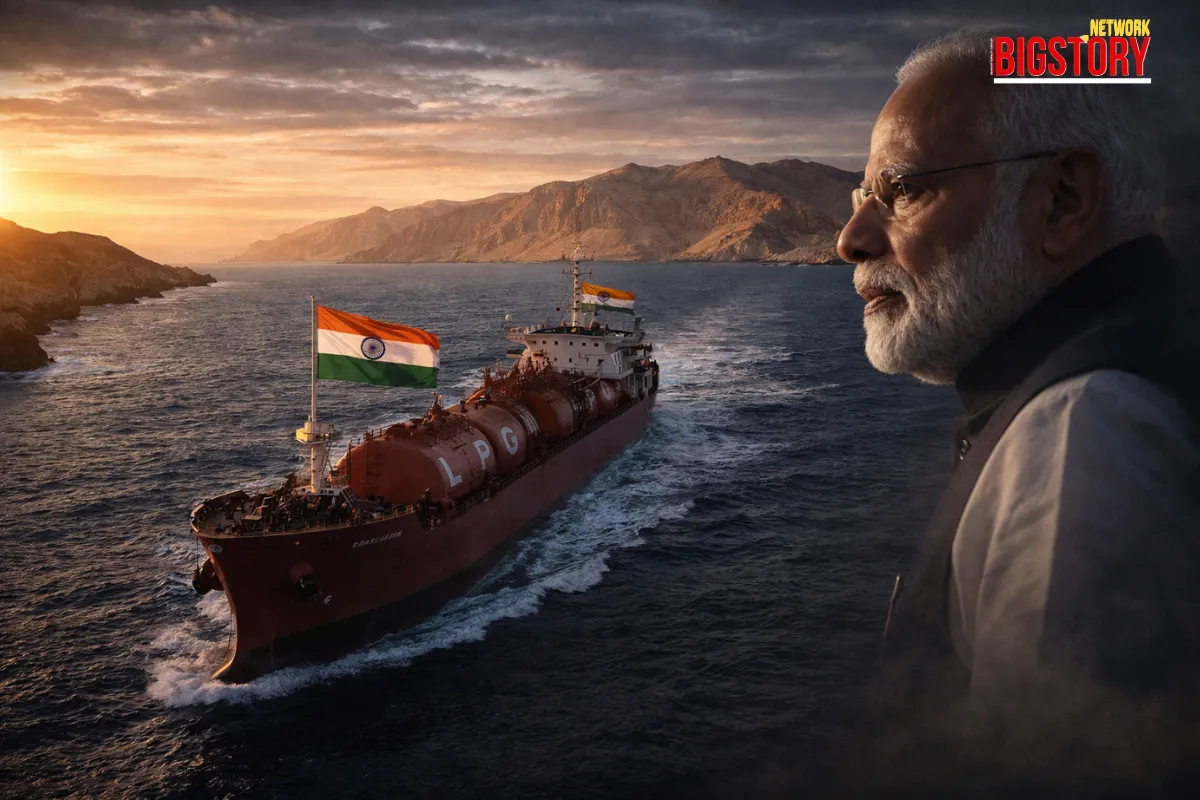
- Commercial Shipyards: South Korea, a global heavyweight in the sector, will provide the technical blueprint and capacity-building to help Indian shipyards construct massive civilian cargo vessels, particularly highly specialized LNG and LPG carriers.
- Port Ecosystems: The nations are establishing MoUs to jointly manufacture heavy-duty port cranes and maritime logistics software, aimed at rapidly modernizing India's coastal infrastructure.
5. Global Supply Chain Resilience & The Middle East Crisis
While not on the "printed" promotional agenda, this is the elephant in the room driving the sheer urgency of the meeting.
- The Hormuz Crisis: With Iran shutting down the Strait of Hormuz over the weekend and the US enforcing a strict naval blockade, both energy-dependent nations are urgently strategizing emergency supply chain redundancies.
- Critical Minerals: The leaders are formulating a pact for the joint exploration and securing of critical minerals (such as lithium and cobalt) essential for EV batteries and green energy, ensuring neither country is caught flat-footed by escalating geopolitical trade wars.
Sources
News & Wire Coverage:

 Sseema Giill
 Exclusive Content